Gold & Silver in 2025: A Year in Review
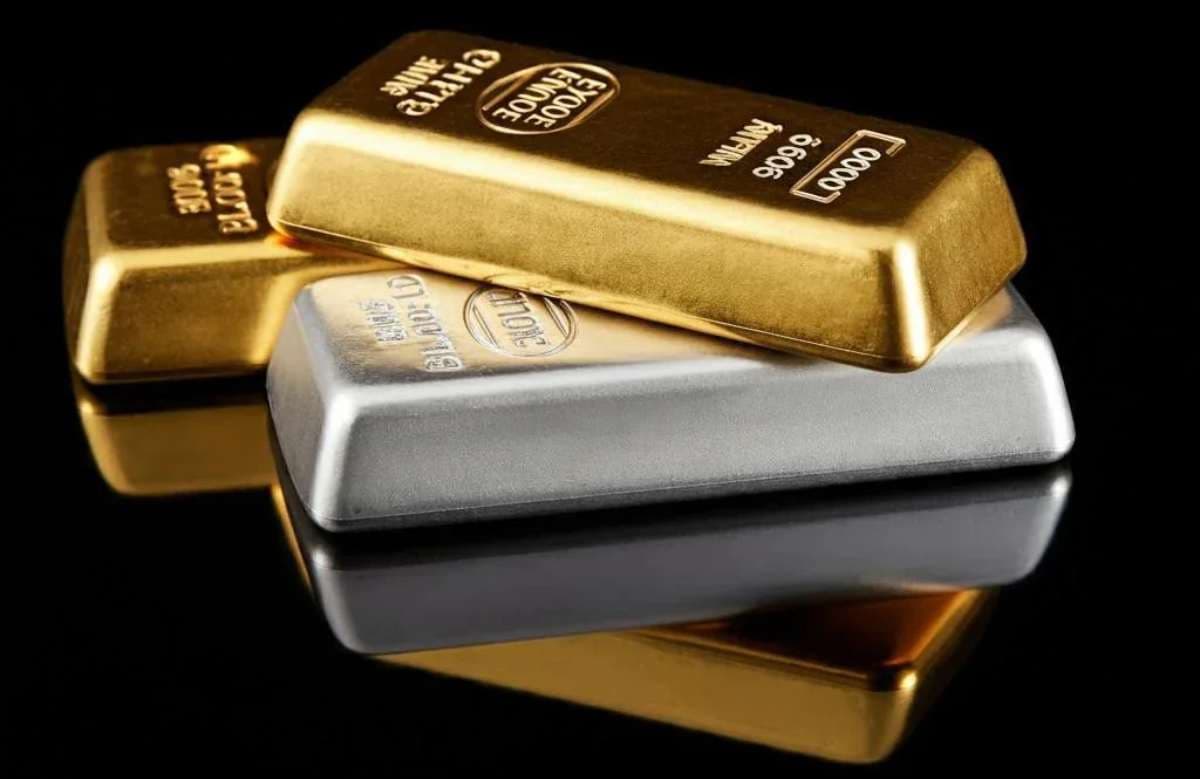
At the beginning of 2025, precious metals were gaining popularity among people after their prices had been going up consistently in the second half of 2024. Gold and silver were the main focus of investors, who were looking for a way to hedge against inflation and a haven for their money in the face of economic uncertainty — a world economy still suffering from geopolitical tensions, inflationary pressure, and currency market volatility.
Gold is traditionally used as a hedge against inflation, currency devaluation, and a possible collapse of the financial system. Silver, however, besides being a “precious metal,” also serves as an industrial metal, which makes its price not only reflect changes in investor sentiment but also the level of manufacturing demand, solar technologies, electronics, and newly developed tech industries.
Gold’s Journey Through the Year
The price of gold kept climbing without a break the whole of 2025. The gold rally in 2025 was quite remarkable - one of the strongest in decades:
-
Massive Gains: Gold price soared to a new high of between 70% and 75% over the year, which was its strongest performance since around 1979. (The Economic Times)
-
High Prices: In the end, spot gold prices surged above $4,500 per ounce before some price swings took place during the thin trading around the end of the year. (New York Post)
Main reasons:
-
Stable geopolitical & macro situations: Wars and economic crises kept the demand for haven assets stable.
-
Central bank purchases: Numerous central banks kept de-dollarising their reserves, first by gold purchases.
-
Gold ETF outflows: Huge withdrawals of gold from ETFs led to a downturn in gold prices.
-
The reduction in real yields & interest rate expectations: The market got a boost of optimism on account of interest rate rumors that are expected to be lowered in the future.
Gold has managed to rally quite strongly, but it has also been highly volatile at the end of the year. There have been reports of panic selling on a large scale, which came about due to changes in exchange margin requirements - such situations, as usual, happened in the thinly traded markets just at the end of the period.
Silver’s Spectacular Year
Silver actually gave a much more significant performance than gold:
-
Exceptional Returns: Silver was up about 130–160% in 2025, thus outpacing gold and a lot of other asset classes. (The Economic Times)
What Made Silver The Star?
The reason why silver performed so well lies in the fact that while gold prices' main driver was safe-haven buying, silver’s price increase was overwhelmingly due to industrial demand — solar photovoltaic panels, electric vehicles, semiconductors, and AI/cloud-related hardware production. Hence, this more substantial demand side means that the silver price had more of a “structural growth” factor besides just being an investor hedge.
Nevertheless, during the whole year, silver prices changed more drastically than gold, which reflected the industrial growth data fluctuations and the speculative demand.
Silver performance even surpassed that of gold by a long shot:
-
Exceptional Returns: Silver surged roughly 130–160% in 2025, thereby outgrowing gold and several other asset classes. (The Economic Times)
-
Record Levels: Spot silver has surpassed the $75 per ounce mark, a situation that has never happened before, in several ways, at least.
What was the reason for silver's outperformance?
Whereas gold was mainly bought for safe-haven reasons, silver’s supply was largely boosted by industrial demand—from solar photovoltaic panels to electric vehicles, semiconductors, and AI/cloud-related hardware production. This greater demand part implies that silver’s price had a more “structural growth” factor besides investor hedging.
Nevertheless, silver prices were more volatile than gold during the whole year, mirroring ups and downs in industrial growth data and speculative demand.
Gold & Silver ETFs: Growth & Trends
What Are ETFs?
Exchange Traded Funds (ETFs) are a type of investment product that one can trade on stock exchanges, similar to stocks. The holdings of the ETF, however, indicate the ownership of the pool of assets (e.g., gold or silver bullion stored in vaults).
Buying metals directly is not the only option that ETFs provide more such as liquidity, reduced transaction costs, and SEBI regulatory supervision in India.
ETF Growth in 2025
Sharp investors have gone ahead of the general public by using ETFs for specific exposure to precious metals, which is also proven by the record levels of inflows and turnover of ETFs:
-
Massive Inflows: 2025 saw gold and silver ETFs gathering huge inflows, with the gold ETFs' AUM going over ₹1 lakh crore in India. (Goodreturns)
-
Turnover Spikes: Gold and silver ETFs turnover during Akshaya Tritiya was almost three times that of the previous year.
-
Silver ETF Growth: The silver's price performance and industrial demand were the two main factors leading to an increase in silver ETF investments, where both the AUM and the number of investor folios registered significant growth. The percentage growth of investor silver ETF folios in 2025 even surpassed that of gold ETFs. (Business Today)
Reasons for Investors to Prefer ETFs
-
Regulation by SEBI: Since ETFs represent a segment of the securities market under regulation, features such as investor protection, periodic audits, and transparency become an integral part of them.
-
Liquidity: As it is with stocks, ETFs can be traded anytime through a demat account, unlike physical gold, which, besides this, has the problems of storage and purity.
-
No Physical Storage Hassles: Exposure to There are no worries of vaulting or purity testing in this case for the investor.
-
Tax Efficiency: In general, ETFs are more tax-efficient than physical gold, and some ETFs even enjoy a capital gains holding period of less than one year.
Note: Though ETFs reflect the prices of the metals on which they are based, because of expenses and market structures, they might not always be consistent with spot price movements of physical metal.
Digital Gold — The New Trend with Regulatory Issues
What Is Digital Gold?
Digital Gold is basically a very small piece (in fact, the value could be just ₹100) of gold through digital platforms like Paytm, PhonePe, or Google Pay. These applications claim that the gold is physically stored in their vaults.
Regulatory Status & SEBI’s Stance
This is one major change of 2025 when SEBI publicly declared that it is not supportive of digital gold:
-
Not Regulated by SEBI: SEBI revealed that it is not the regulator for digital gold, also popularly known as “e-gold,” as these items are neither securities nor commodity derivatives.
-
No Investor Protection: Hence, the investor protection provisions of the securities laws would not be at an investor’s disposal. Therefore, if the platform goes bankrupt, mishandles vaults, or fails to deliver, SEBI will be unable to assist investors.
-
No New Rules Yet: Besides that, SEBI explained that it does not intend to set up a regulatory framework for digital gold; investors should prefer regulated products such as ETFs or EGRs for a safer exposure.
Risks & Realities:
-
Counterparty Risk: The exposure risk is to the platform and the vault partner; there is no standard audit or enforcement involved.
-
Non-compliance Issues: Most digital gold platforms are operating without the supervision/approval of either SEBI or RBI.
-
Hidden Expenses: Such as buy-sell spreads, GST, conversion charges, and unclear custody terms, have been a pet complaint of users who have tried and used the service.
In fact, digital gold is still one of the most alluring options for many small investors, especially those who are inexperienced or young and willing to embark on investing.
Where Gold & Silver Are at the End of 2025
Around the end of December 2025:
-
Gold: Very close to record levels, closing in on them. Moreover, the 70-75% yearly gain remained even after a few minor corrections were made here and there. (New York Post)
-
Silver: The price surged to $75 an ounce or more, more than double the price at the start of the year. Both the use in industry and speculation contributed to this.
-
ETFs: They got record-breaking inflows, and the volume of trading was the highest, which further solidified their place as widely accepted investment vehicles.
-
Digital Gold: It is still a favourite among people, but it is exposed to big regulatory risks, and investors are not formally protected.