Best Investments for 2025: Why Gold & Silver Might Outperform Everything
For as long as one can remember, one of the most famous and safest ways to keep one's wealth is through buying precious metals. No matter if the economy is shaky or the world financial system is stable, one can always count on gold and silver to be the most reliable asset classes. As investors strive to diversify their portfolios, protect themselves from inflation, or seek out other options besides crypto and stocks, gold and silver continue to be very much in demand. These four intriguing blog topics serve to explain how these metals have become less and less significant as the first choice of wise investors in the modern world.
What does the Market say?
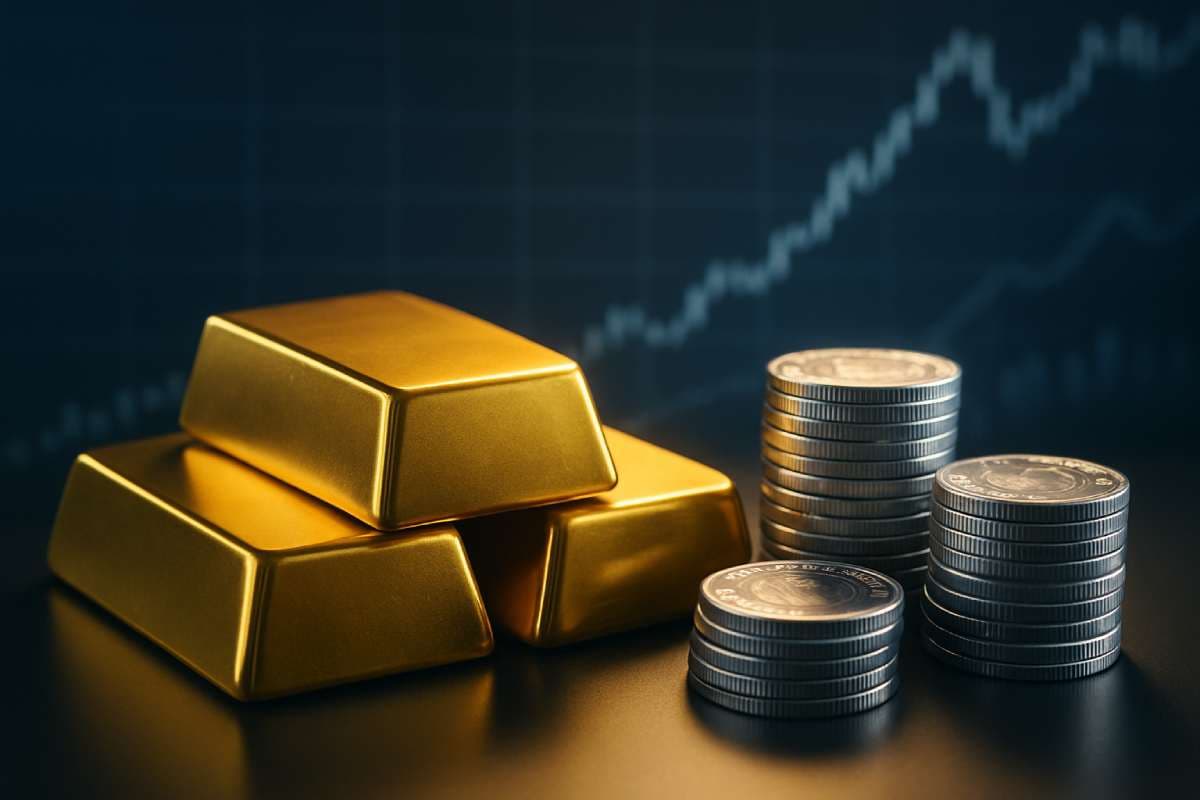
In 2025, both gold and silver have seen significant price increases in the Indian market. As of August, 24-carat gold is priced at ₹1,02,500 per 10 grams, up 38% year-to-date, driven by factors like a weak rupee, geopolitical tensions, inflation, and seasonal demand. Silver has surged even more, rising 30% to ₹1,16,000-₹1,17,000 per kilogram, fueled by both investor interest and strong industrial demand, particularly in sectors like solar energy and electric vehicles. While gold remains a safe-haven asset for long-term wealth, silver is attracting more investors due to its lower cost and potential for higher short-term gains. This shift in sentiment has brought the gold-to-silver price ratio close to 1:1, a rare event driven by current global uncertainties.
1. Shining a Light on Gold: Is It Time to Reassess Your Investment?
In fact, gold has been a hallmark of economic stability for hundreds of years. But the very changes of the worldwide economy which started lately, have made debates hotter about whether gold is still the haven of investors. Among the changes we can list inflation pressure, interest rate changes, and even geopolitical tensions.
Various contemporary developments influence the demand for gold to meet the current market value of gold. Due to a loss of trust in paper money, central banks have been increasing their gold holdings. However, the introduction of digital gold and gold tokens has made the latter more enticing to younger investors, and this signals the adoption of technology while the metal remains the same. Simultaneously, many economists foresee that worries about inflation and recession will lead to increased gold demand in the upcoming years.
2. Silver Linings: The Untapped Potential of Investing in Silver
Silver has failed to keep up with the attention gold receives for quite some time now. However, silver is evolving into an equally attractive investment option that has great growth potential. In many instances called "the poor man's gold," silver is somewhat ignored since its value is twice as high considering its utility and market applications. Unlike gold, which is mainly used for jewelry and as a store of value, silver is a necessary one in the industrial sectors such as electronics, medical technology, and renewable energy.
By far, the solar energy industry is the main factor responsible for silver demand, as therein it is used as the best electrical conductor. As clean energy becomes more predominant, the demand for silver in solar panels will continue to increase, thereby a shortage of silver may be expected in the coming years. Besides that, the demand for electric vehicles, smartphones, and space technologies is contributing to the increase in silver consumption.
3. Gold vs. Bitcoin: The Ultimate Showdown in Wealth Preservation
Bitcoin has been instrumental in questioning gold's supremacy as the ultimate store of value of the last couple of centuries, with the rise of digital currencies. Even though both assets are similar in that they are limited in supply, they attract different types of investors and give different advantages to the holders.
Gold is the one with the track record. It has been recognized globally for a very long time and has been through wars, global recessions, and financial crises, as well as currency devaluations. Being a tangible thing and rare, it absolutely has an unchangeable value and therefore is the most trustworthy resource for wealth protection. Bitcoin, in contrast, is the symbol of the digital age. It is a decentralized, borderless network, and it offers high return potential during crypto bull runs. However, aside from the rapid growth that Bitcoin has demonstrated, it is also infamous for its extreme price volatility and the uncertainty of regulations, all of which may not be compatible with the risk tolerance of conservative investors.
Which one, then, is the winner in the war of wealth preservation? Strategic investors are not choosing between one and the other, but rather they are combining both. Gold can protect wealth in times of financial instability, whereas Bitcoin can bring about a huge increase in value when investors are optimistic about digital assets. The winning plan comes down to investment goals, risk tolerance, and long-term financial planning.
4. The Secret Life of Gold: Understanding Its Role in a Balanced Portfolio
Meanwhile, gold is no less than a fashion and a significant cultural element; it plays a crucial strategic role in investment planning. A balanced portfolio is what a person needs to have, which implies diversification across different asset classes. Gold is one of the rare investments that, in the past, were moved independently of stock markets and currency trends.
Financial experts are generally in favor of investing 5–15% of one's portfolio in gold. This, however, depends on the investor's age, risk capacity, and financial goals. A young person with a high-risk appetite could go with a smaller proportion, whereas people who are close to retirement or expecting a period of economic instability would probably decide to increase their share of gold in their portfolio. It is just as crucial to know when to sell as it is to know when to buy gold. For example, the price of gold has been rising consistently during inflation. It is also the case during currency depreciation and stock-market turbulence. Investors consequently in these situations increase accordingly their positions. On the other hand, economies becoming stronger and increasing risk appetites, consequently, may let investors sell some gold to balance their portfolios again.
Gold, which is stable and has a limited supply, can be seen as an insurance policy against uncertainties. The “secret life” of gold is that it is one of the financial securities that go well with risk-based investments such as equities and cryptocurrency.
Final Thoughts
Gold and silver remain forever attractive investment choices that can be used to protect one's portfolio from inflation, economic instability, and the fall of the currency. Investors can be asking the question of gold's future, discovering silver's potential as a fuel for the industrial sector, comparing gold with Bitcoin, or figuring out how gold can be part of a balanced portfolio; the fact that precious metals still keep their appeal in wealth management is the only thing that stays constant. Their importance in investment strategies may change gradually; however, their presence is still very much there.